Understanding DTF Printing Technology
Direct-to-Film (DTF) printing is revolutionizing the textile industry by offering an innovative solution for high-quality fabric décor. This printing technology is designed specifically to produce vibrant and durable prints on a wide range of fabrics, including cotton, polyester, and blended materials. When exploring options, imprimante dtf france provides comprehensive insights into the best equipment available for your printing needs. The convenience and efficiency of DTF printing make it a preferred choice for custom apparel businesses, giving them a competitive edge in a growing market.
What is DTF Printing?
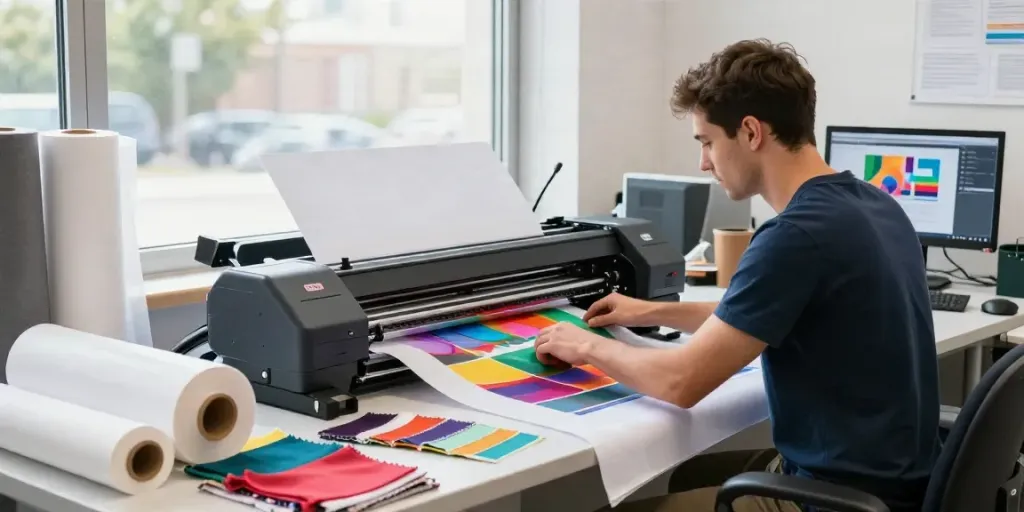
DTF printing is a modern technique that allows printers to transfer images directly onto fabrics using a specially formulated ink and film. Unlike traditional methods like screen printing and Direct-to-Garment (DTG) printing, DTF employs a unique process where designs are printed onto a PET film, coated with a special powder adhesive before being heat-pressed onto the garment. This process not only enhances the vibrancy of colors and the precision of detail but also offers a level of versatility that is hard to match.
How DTF Differs from DTG Printing
While both DTF and DTG printing aim to achieve high-quality prints on textiles, their methodologies differ significantly. DTG printing directly applies ink onto the fabric, making it ideal for small batches and complex designs. However, DTF printing offers greater flexibility in terms of the range of materials it can successfully print on. DTF prints can adhere to various surfaces, including hard surfaces like wood and ceramics, unlike DTG, which is limited primarily to cotton-based fabrics.
Key Components of DTF Printers
DTF printers typically consist of several key components that work in harmony to produce stunning prints. Notable features include:
- Ink System: Utilizes specialized DTF inks that ensure vibrant colors and excellent durability.
- PET Film: A high-quality film that allows for detailed image transfers without bleeding or fading.
- Adhesive Powder: Applied to the print to activate when heat-pressed, securing the ink to the fabric.
- Heat Press: Essential for transferring the design onto the textile with precision, enhancing the adherence and finish.
Advantages of Using DTF Printers
The advantages of DTF printers are plentiful, making them an attractive investment for small businesses and larger operations alike. Here are some key benefits:
Versatility Across Various Fabrics
One of the standout features of DTF printing is its ability to work with a diverse range of textiles. Whether you're printing on cotton, polyester, spandex, denim, or even nylon, DTF technology guarantees exceptional print quality. This versatility allows businesses to cater to different customer preferences without investing in multiple types of printers.
Cost-Effectiveness for Small Businesses
For entrepreneurs looking to establish a custom apparel business, DTF printing offers a cost-effective solution. The initial investment for a DTF printer can be significantly lower than that of a DTG printer, especially considering the lower costs associated with ink and maintenance. Additionally, because DTF prints are durable and long-lasting, this technology reduces waste and enhances profitability over time.
High-Quality Transfer Results
DTF printing is renowned for producing high-resolution prints that retain their vibrancy and quality over time. The unique transfer process ensures that the printed designs are resistant to fading, cracking, or peeling, offering customers products that look great wash after wash. Furthermore, the crisp detail achievable with DTF printing allows for intricate designs, making it suitable for branding, logos, and custom artwork.
Setting Up Your DTF Printing Business
Embarking on a DTF printing venture involves careful planning and setup. Here are some essential considerations to help you get started:
Choosing the Right Equipment: imprimante dtf france Options
Selecting the appropriate DTF printer is crucial for ensuring the quality and efficiency of your printing operation. Look for models that offer a balance of features, reliability, and support. The market offers several options ranging from entry-level to professional-grade printers, making it accessible for all business sizes. Researching equipment can be simplified by reviewing options available at imprimante dtf france, where you can find recommendations tailored to your specific printing needs.
Best Practices for Printer Maintenance
To ensure longevity and consistent printing quality, regular maintenance of your DTF printer is essential. This includes:
- Routine cleaning of the print heads to prevent clogs.
- Regularly checking the ink levels and replenishing them promptly.
- Keeping the printer workspace free from dust and debris.
Regulatory Compliance and Environmental Considerations
As with any printing process, staying compliant with industry regulations is vital. Ensure your inks and materials meet safety standards, especially when planning to sell your products. Furthermore, consider the environmental impact of your operations, opting for eco-friendly inks and sustainable practices wherever possible.
Tips for Creating Stunning DTF Prints
Creating beautiful DTF prints requires both artistic and technical skills. Here are some tips to help you achieve outstanding results:
Designing Artwork for DTF Printing
The quality of your prints starts with the design. Utilize high-resolution images that can withstand resizing without losing clarity. Software like Adobe Illustrator or CorelDRAW can help you create vector designs specifically for DTF printing.
Best Inks and Materials to Use
Select inks designed specifically for DTF printers, ensuring they are compatible with your chosen equipment. High-quality PET films are also crucial; they should be free from imperfections to guarantee excellent transfer results.
Pressing Techniques for Optimal Results
Proper heat pressing plays a significant role in the quality of the transfer. Use the correct temperature, pressure, and time settings based on the fabric type and adhesive powder used. Experiment with these variables to find the perfect combination for each material.
Future Trends in DTF Printing
The future of DTF printing looks promising with emerging trends set to shape the industry. Here are some insights into what to expect:
Emerging Technologies in DTF Printers
Advancements in printing technologies are expected to enhance DTF printers further. Innovations such as automated color management systems and improved print head technology will likely increase efficiency and print quality.
Market Growth Predictions for 2026
The DTF printing market is projected to grow significantly in the coming years, driven by increasing demand for custom textile products. By 2026, businesses that embrace this technology will likely stand out in a competitive landscape.
Innovative Applications of DTF Technology
Beyond clothing, DTF printing is finding applications in home décor, promotional items, and personalized gifts. This versatility opens vast opportunities for businesses looking to diversify their product offerings.
What is the cost of a DTF printer?
The cost of DTF printers varies widely depending on the brand, features, and capabilities. Entry-level models might start around €1,000, while professional-grade printers could reach several thousand euros, especially those designed for high-volume production.
Where can I buy DTF printing supplies in France?
Many suppliers in France offer DTF printing supplies, from inks and films to heat presses. Researching online retailers and specialized printing shops can help you find quality materials at competitive prices.
How long do DTF prints last?
DTF prints are known for their durability. When applied correctly, they can last just as long as traditional screen prints, making them a reliable option for custom apparel.
What fabrics are best suited for DTF printing?
DTF printing excels on a variety of fabrics, but it is particularly effective on cotton, polyester, and blends. This adaptability is a key reason for its growing popularity in custom T-shirt printing.
Are DTF printers environmentally friendly?
DTF printing can be made more environmentally friendly by sourcing inks and materials that are non-toxic and biodegradable. As sustainability becomes a focal point for consumers, businesses should consider adopting green practices in their operations.